We remain fully operational. Our teams are working around the clock to ensure your deliveries continue safely.

Descargar la aplicación


Servicios al cliente
Sobre nosotros
Copyright © 2025 Desertcart Holdings Limited
Descargar la aplicación
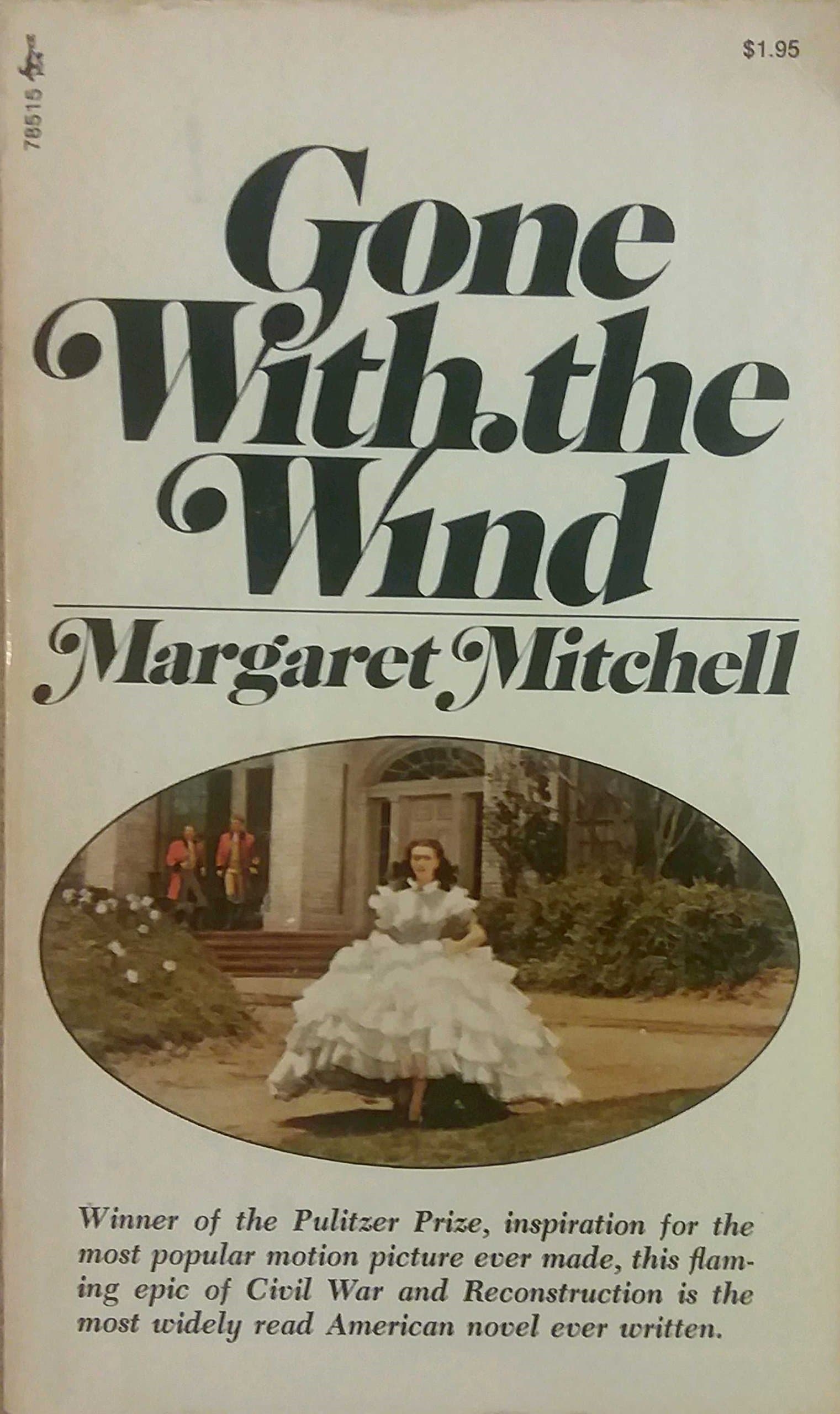
Gone with the Wind [Mitchell, Margaret, Conroy, Pat] on desertcart.com. *FREE* shipping on qualifying offers. Gone with the Wind Review: My musings on a classic! - The first time I read Gone With the Wind, I was around sixteen years old. It made a lasting impression on me. I have probably read this book at least ten times during my youth and my young adult years and watched the movie as many times. I realized that it must have been thirty years since I last read it and decided it was time to read it again with new eyes. I downloaded it and also purchased the audio book to go along with it. I must say this has been a different experience listening to the audio along with the book. Linda Stephens is the narrator and truly brings this huge cast of characters to life. I could easily distinguish the different voices. She does an outstanding job with all the varying accents from Scarlett, to Rhett, to Mammy. Now at times, I did cringe when I listened to all the racist dialogue, but I tried to remember this is written when this was the normal attitude of that time, not how we feel today. Obviously Gone With the Wind is NOT politically correct to say the least! I think that it also important to understand that Margaret Mitchell was a gentile southern woman and her upbringing was vastly different from how my generation was raised. My mother was also raised during the same time period and even though she grew up in the north, her attitude was a bit prejudged as well. I thank God I became an adult in the seventies and have a much more enlightened attitude. With that being said, I also listened/read with knowledge of books written in my time. While Margaret Mitchell’s writing style is vastly different from the norm today, I am sure it was brilliant in 1936. I kept that in mind and focused on this epic story that swept me up in the midst of a war torn world and the aftermath of that war. I can understand why Ms. Mitchell took ten years to write this story. I cannot even imagine the amount of research she must have done to get the historical details accurate. I am not going to do a synopsis of the book other than to say that it covers the years of the Civil War and the reconstruction period that the south endured. Most individuals today have either read the book or watched the movie, at least my generation. Our children are aware of it as well, even if they have never read the book or watched the movie. When I read Gone With the Wind as a young girl, I think I concentrated on all the history and pageantry and not the character’s defects. While Scarlett is an incredibly narcissistic character, she does have an indomitable spirit and personality. I am not sure I could have grown up in those times where a woman’s only purpose in life was to be ornamental and where men believed them hen-witted and should not be concerned by any issues beyond beauty and refinement and the need to be a lady at all times, and not have been just like her. I would hope I would have been more like Melanie, but I doubt it. I am as strong-willed and as stubborn as Scarlett. I just do not like to admit it. Scarlett is a complex character with many layers to her personality and while I do not like her character, I do admire her tenacity and determination to survive and flourish in a changed world, so different than what she could have imagined as a young girl. Margaret Mitchell has written a character with such depth that it takes my breath away. If I could write a heroine with a tenth of her depth, I am sure it would be an immediate best seller. Rhett Butler is a rogue that as a reader I always love. For some reason, while it is not acceptable for a woman to be scandalous, it is desired in heroes as long as there is a tender, caring side to them. Rhett’s character has a huge arch that satisfied my need for ‘a bad boy gone good’. While I wish that their love story could have had a ‘Happily Ever After’, it is much more realistic for Rhett to give up on ever having Scarlett return his love and to grow so cynical that he finally does not “give a damn”. It would have been out of character if he had been able to forgive and forget. Well my musings are getting a bit deep so I will close. If you have not read this amazing book, I highly recommend it, but do read with an open mind to fully appreciate the artistry of the writing and the pageantry of a time long dead. Happy reading! Review: Great read! - Lovely paperback edition of a great classic. I’m re-reading it after many decades, and finding it still beautifully written, sweeping in scope, with so many truly memorable characters. The movie was wonderful, or course, but the novel is better!
| Best Sellers Rank | #2,187,882 in Books ( See Top 100 in Books ) #86 in Classic Literature & Fiction #579 in Literary Fiction (Books) #49,535 in American Literature (Books) |
| Customer Reviews | 4.8 4.8 out of 5 stars (20,550) |
| Dimensions | 4.19 x 2.3 x 6.75 inches |
| Edition | Reissue |
| ISBN-10 | 1416548947 |
| ISBN-13 | 978-1416548942 |
| Item Weight | 1.3 pounds |
| Language | English |
| Print length | 1472 pages |
| Publication date | May 20, 2008 |
| Publisher | Pocket Books |
R**Y
My musings on a classic!
The first time I read Gone With the Wind, I was around sixteen years old. It made a lasting impression on me. I have probably read this book at least ten times during my youth and my young adult years and watched the movie as many times. I realized that it must have been thirty years since I last read it and decided it was time to read it again with new eyes. I downloaded it and also purchased the audio book to go along with it. I must say this has been a different experience listening to the audio along with the book. Linda Stephens is the narrator and truly brings this huge cast of characters to life. I could easily distinguish the different voices. She does an outstanding job with all the varying accents from Scarlett, to Rhett, to Mammy. Now at times, I did cringe when I listened to all the racist dialogue, but I tried to remember this is written when this was the normal attitude of that time, not how we feel today. Obviously Gone With the Wind is NOT politically correct to say the least! I think that it also important to understand that Margaret Mitchell was a gentile southern woman and her upbringing was vastly different from how my generation was raised. My mother was also raised during the same time period and even though she grew up in the north, her attitude was a bit prejudged as well. I thank God I became an adult in the seventies and have a much more enlightened attitude. With that being said, I also listened/read with knowledge of books written in my time. While Margaret Mitchell’s writing style is vastly different from the norm today, I am sure it was brilliant in 1936. I kept that in mind and focused on this epic story that swept me up in the midst of a war torn world and the aftermath of that war. I can understand why Ms. Mitchell took ten years to write this story. I cannot even imagine the amount of research she must have done to get the historical details accurate. I am not going to do a synopsis of the book other than to say that it covers the years of the Civil War and the reconstruction period that the south endured. Most individuals today have either read the book or watched the movie, at least my generation. Our children are aware of it as well, even if they have never read the book or watched the movie. When I read Gone With the Wind as a young girl, I think I concentrated on all the history and pageantry and not the character’s defects. While Scarlett is an incredibly narcissistic character, she does have an indomitable spirit and personality. I am not sure I could have grown up in those times where a woman’s only purpose in life was to be ornamental and where men believed them hen-witted and should not be concerned by any issues beyond beauty and refinement and the need to be a lady at all times, and not have been just like her. I would hope I would have been more like Melanie, but I doubt it. I am as strong-willed and as stubborn as Scarlett. I just do not like to admit it. Scarlett is a complex character with many layers to her personality and while I do not like her character, I do admire her tenacity and determination to survive and flourish in a changed world, so different than what she could have imagined as a young girl. Margaret Mitchell has written a character with such depth that it takes my breath away. If I could write a heroine with a tenth of her depth, I am sure it would be an immediate best seller. Rhett Butler is a rogue that as a reader I always love. For some reason, while it is not acceptable for a woman to be scandalous, it is desired in heroes as long as there is a tender, caring side to them. Rhett’s character has a huge arch that satisfied my need for ‘a bad boy gone good’. While I wish that their love story could have had a ‘Happily Ever After’, it is much more realistic for Rhett to give up on ever having Scarlett return his love and to grow so cynical that he finally does not “give a damn”. It would have been out of character if he had been able to forgive and forget. Well my musings are getting a bit deep so I will close. If you have not read this amazing book, I highly recommend it, but do read with an open mind to fully appreciate the artistry of the writing and the pageantry of a time long dead. Happy reading!
B**M
Great read!
Lovely paperback edition of a great classic. I’m re-reading it after many decades, and finding it still beautifully written, sweeping in scope, with so many truly memorable characters. The movie was wonderful, or course, but the novel is better!
M**B
This is More Than Five (5) Stars [24][26][36]
Margaret Mitchell's requiem of the South succeeds to embrace both the reader and her topic because of the tremendous blend of themes which resound throughout this masterful novel. First, she introduces us to the concept of peace versus war: "All wars are sacred, to those who have to fight them. If the people who started them did not make wars sacred, who would be foolish enough to fight?" And, of course business pragmatist Rhett Butler concludes, "All wars are in realty money squabbles. But so few people ever realize it. Their ears are too full of bugles and drums . . . " This dialogue of sanctity of war versus business pragmatism constantly resounds in the book. Secondly, is how men treat other men. And, within this theme are numerous subtopics. The most obvious is the North versus the South. "Arrogance and callousness for the conquerors, bitter endurance and hatred for the conquered." When you start a war - know that at the end you still have an enemy, and that enemy's feelings toward you may be stronger and more bitter! The other obvious theme is white versus black. Slavery versus freedom for the "darkies." And, although that serfdom appears to symbiotically exist in the Camelot of the Georgian south, Ashley Wilkes tells Scarlett O'Hara at one time that had there been no war and had his father died with slavery still intact, he would have freed his slaves as his methodically conceived logical conclusion was to do the right thing : free men. Ashley Wilkes, who displays another great theme of old antebellum South's gentlemen in the new world of the Reconstruction South, is both hero and goat. Rhett Butler always tells Scarlett that Ashley's days of importance ended when his environs were burnt to ashes at the war's end. She never agrees, at least until the end. And, while she disagrees with Rhett about Ashley, they gang up on her on yet another masterful man versus man theme: employment of convict labor. Treated worse than slaves, convicts are the backbone to cheap labor after the war. But, for their hard work they are beaten and fed little and paid less. Ashley, in her post-starvation period, will do almost everything to avoid experiencing hunger again - including hiring white northerners to be her conscripted laborers. Thirdly, we learn about truth versus appearance. Rhett and most of the old South depict the wonderment of southern civility - never say a bad thing about anyone, and always show respect and manners to those about you. This applies to many slaves as well. Ashley and his wife, Melanie (Melly), are embodiments of such gentile mannerisms. Scarlett's mother Ellen was another. Scarlett's father, Gerald O'Hara, and Scarlett are not. But, Scarlett and her father were truthful. The Irish in father and daughter refused to fub, they refused to be concerned about the foderol scurried about by gossip - holding such lack of care when the idle gossip festered to outright defamatory lies. Rhett, who loves the lack of deception in Scarlett's character, often criticizes his peers for their hypocrisy. Rhett admits to engaging in the same for purposes of business; but, as a man he refuses to be known as another who says what he does not mean. But, Rhett, as time progresses in the book, succumbs to the gossip and engages in the very hypocrisy he despises. Fourthly, the issue of uneven playing field resounds. Rich versus poor. Slave owner versus slave. Business owner versus convict labor. South versus North. And, hidden within these themes is Mitchell's greatest announcement: feminism. Scarlett who owns businesses after the war, is criticized by all men and societal women for engaging in a man's world. Even with her success, she is snubbed by the hob nob crowd. But, perhaps greatest in this theme is the concept of men having rights which women cannot. Rhett gallivants with the local prostitute Belle without concern, while one emotional hug held by life-long friends and neighbors Scarlett and Ashley is identified as "adultery." When Rhett confronts her about this, Scarlett retaliates, "You are nothing but a drunken beast who's been with bad women so long that you can't understand anything else but badness. You've lived in dirt too long to know anything else. You are jealous of something you can't understand. Good night." Other themes also exist: building versus destroying; growing up versus growing old; Catholics versus Christians; love for family versus love for spouses; raising children versus burying children . . . As these themes ebb and flow and occasionally eddy in this ocean-sized novel, the characters' personalities grow and become embodiments of many stereotypical Southern mainstays. And, to add to the characters, Mitchell uses incredibly detailed phonetic spellings for the crackers' and slaves' dialogues. Her detailed description of people's clothing and household interiors (and exteriors) brand indelible images into the readers' minds. This is writing! Mitchell, whose own life is a mixture of angelic Melly and defiant Scarlett, had three marriages and worked (as a journalist) in a man's world. She knew that her publication would be much more difficult than a man's work - especially one of such largess. But, like Scarlett, she persevered and triumphed. Mitchell's name remains among the most known in the American literary world - not bad for a small girl from Atlanta. So many passages of this book flow with delicate prose that make it an incredibly easy 960-page read. In Pat Conroy's preface, that great southern writer states, "This is The Illiad with a Southern accent, burning with the humiliation of Reconstruction. . . Gone with the Wind was not just a book, it was an answer, a clenched fist raised to the North, an anthem of defiance. If you could not defeat the Yankees on the battlefield, then by God, one of your women could rise from the ashes of humiliation to write more powerfully than the enemy and all the historians and novelists who sang the praises of the Union."
D**A
Livro essencial para quem da literatura do século 20! A leitura é deliciosa!!!
A**R
Learned so much about the historical background of the Civil War, southerners’ mindsets, and the aftermath of the reconstruction while enjoying the great story.
A**K
Really enjoyed this book, central characters are memorable, American Civil was a context but story were very personal and intimate.
C**T
The book jacket has scratches and tears around the edges and it makes me curious whether this is actually new. But the crisp pages reassured me, though I'm incredibly disappointed by the wear and tears on the book jacket.
L**R
I bought this book primarily because I am a huge fan of the film. To be honest, I wasn't expecting to be bowled over and sort of imagined a Mills Boon/Jilly Cooper type read - entertaining but not particularly substantial. Well, I was wrong. For context, my usual novels of choice are classics so I was pleasantly surprised to find this wouldn't be completely out of one with those. First clue is this book actually won the Pultizer Prize - so whilst it's not seen as 'serious' writing in our time, it was considered a masterpiece back in the day, the great American novel, etc. Yes, times were different then but I find it slightly sad that the book's reputation has fallen somewhat. Whilst it probably not 'top tier' next to the greats of Fitzgerald, Salinger, Dickens and so on, it's not a million miles away and to be honest, far better written than a lot of highly acclaimed novels today. To get over the inevitable - yes the book is racist. The KKK do feature but they are not seem as wholly positive - while some characters are in favour, interestingly our heroine and hero do not think highly of them. Yes, the n word is used and whenever a black person speaks their speech is rendered phonetic which is derogatory (as it's not done for the white people who would also be speaking with an accent). (Although, interesting I believe Bronte does a similar thing in Wuthering Heights with the servants speaking in a phonetic manner and the main characters not and this hasn't received as much comment.) Racist comments are made about the appearance of some blacks and there are some 'whitewashing' statements around how 'good' black slaves actually like being slaves and would never leave their masters, and the North has corrupted them etc etc. All of this is of course offensive and wrong. However, should we claim a book is 'bad' or ban it or not read it just because we disagree with some of the things it says? Whilst not a defence of these ideals at all, this book was written in a different time (far before the Civil Rights movement) and set in a time even more different (when black people were still 'property'). The ideas represented by the characters and the author themselves are (sadly) indicative of common opinion of the time, and whilst they are wrong and would not and should not be tolerated today, arguably you could not set the book during this period without giving voice to some of these opinions. As for the writing itself, I found it well written and highly entertaining. Fans of the film will enjoy it I think, on the whole it sticks remarkably close to the plot of the film (even some speech is the same in the film!), although notably Scarlett's first two children are not present in the film (but I think this was the right decision as I don't think they add much in the book to be honest). Yes, the book does drag in some places but saying that a lot of the content is relevant and I think you could probably only cut it down 50-100 pages or so without losing a lot of meaningful writing and events for the characters, which for a book this long I think is quite good. The characters are all 'real' and fleshed out, with the exception of the annoying Ashley (and the slaves as to be expected, unfortunately). He is slightly ridiculous but this is somewhat forgiven as I think he's meant to be. Rhett is somewhat darker in the book than the film, and some say that Scarlett is as well although actually I find the book makes her somewhat more human as we are privy to her inner thoughts and deep down she is a 'good' character and does a lot of 'bad' things for the right reasons. Overall, if you're a fan of the film or interested in a fiction of the American south/Civil War this is worth a read. The plot is cracking and whips along, covering a span of twenty odd years and many dramatic events. For a long novel I got through it relatively quickly as it is very readable and highly entertaining.
Trustpilot
Hace 1 día
Hace 2 meses