🎯 Own your network, ditch the cloud, and stay ahead of the curve!
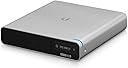
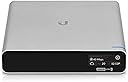
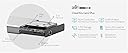
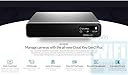
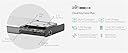
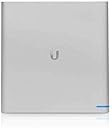
The UbiQuiti UCK-G2-PLUS is a sleek, high-performance wireless controller with built-in NVR capabilities, supporting up to 20 cameras and multiple access points. Powered via PoE or DC adapter, it offers local video storage with no monthly fees, fast response times, and easy setup in under 5 minutes. Ideal for professionals upgrading to a scalable, secure, and private network ecosystem.


| ASIN | B07HLLC1TC |
| Are Batteries Included | Yes |
| Batteries | 1 Lithium Polymer batteries required. (included) |
| Best Sellers Rank | 22,192 in Computers & Accessories ( See Top 100 in Computers & Accessories ) 49 in Mobile Broadband Devices |
| Brand | Ubiquiti |
| Colour | Silver |
| Computer Memory Type | Unknown |
| Connectivity Type | Bluetooth |
| Customer Reviews | 4.5 4.5 out of 5 stars (2,496) |
| Date First Available | 30 Oct. 2018 |
| Delivery information | We cannot deliver certain products outside mainland UK ( Details ). We will only be able to confirm if this product can be delivered to your chosen address when you enter your delivery address at checkout. |
| Guaranteed software updates until | unknown |
| Hard Drive Interface | Unknown |
| Item Weight | 500 g |
| Item model number | 267587 |
| Lithium Battery Energy Content | 2.22 Watt Hours |
| Lithium Battery Packaging | Batteries contained in equipment |
| Lithium Battery Weight | 0.09 Grams |
| Manufacturer | UbiQuiti |
| Number Of Lithium Ion Cells | 1 |
| Number of Lithium Metal Cells | 1 |
| Operating System | Cisco IOS |
| Power Source | PoE & DC Adapter |
| Processor Count | 8 |
| Product Dimensions | 13.12 x 13.42 x 2.71 cm; 500 g |
| Series | 267587 |
| Voltage | 9 Volts |
| Wattage | 12.95 watts |
| Wireless Type | Bluetooth |
I**N
Just the ticket
You'll know what you're buying before you look for this so I won't go on about what it's meant for! All i will say is that it does the job amazingly. The unit looks smart, performs very quickly and installed without issue. The hard disk makes a small noise, so be aware of that if putting it on a shelf, alternatively swap it out for an SSD and it's silent! Connectivity is super easy via the PoE input ethernet connection, response time is snappy and playback of the NVR is flawless. Point to consider, however: If you've one AP and it's working, you don't need this. If you've been sat on the shelf with one AP in standalone mode and were thinking of adding a second and running the controller then this is a good solid choice, maybe consider the none plus edition if you don't need the NVR (video recording) side of things. If you have more than one AP, and you might be thinking of adding a camera then it's a no brainer, this will be what you need. If you're looking to make a complete network change and go to Ubiquity for your entire network, you'll need this, a switch, some AP's and the USG (gateway). By the time you add the cost of all those together, you might want to be looking at the DreamMachines they offer as they are a more combined unit, and could be more cost effective.
C**R
Must buy
Amazing little NVR (Network Video Recorder) I use it along with my G4 wireless door bell. It makes things super convenient and secure as its all stored locally on the Hard drive provided however It did swap the hard drive for as ssd and it makes its super quick and snappy with loading times. For people who don't know you make a ubiquity account and you can live steam and get updates/motion detections at home and away from home on your phone as long as you have 4g data on. No Cloud involved hence why you don't have to pay monthly. I think its ridiculous that loads of company's expect you to pay monthly to see your own private videos. You need to power this via USB c or through POE. I used a cheap POE injector that runs too the NVR and a Ethernet cable from the router in to the injector. You can have up to 20 cameras connected either through POE or wireless. If the cameras you want are the 5 lots of g4 Pro for example. They need to be POE you will have to get a ubiquity switch to plug them all in to and then feed that in to the NVR. Bare in mind you have to be close to your router unless you have POEs already routed to the from the place you want to keep you're NVR. Yes its a little bit expensive but you have all the data under your control locally and noone but you can access it. No cloud service monthly payment is a win in my book. You'll end up paying more over the years with other brands that use cloud based services. All in all its a very smart little machine and it's a doddle to set up took me 5 minuets.
R**N
Simple to use - But do your homework!
This is a brilliant product for a seasoned IT person who wants to create an in house network with wireless access points AND cameras. If like me you don't want to spend the premium for branded products like Netgear or Google Nest (although I have some) then this is a suitably affordable option with lots of flexibility. How it works: You plug it into your network and it discovers other Ubiquiti products. Instead of having a 'cloud' console like Meraki or Google Nest this acts as your cloud. So if you need 'on premise' capabilities and don't want to use a PC/Mac or Server to run the application then this device does it all for you. It also comes with a 1TB hard drive (Toshiba spinning disk) which I replaced with a solid state drive. I did this because I have 3 cameras that it will be recording for me and I didn't want lag. Please note; this device comes with a hard drive so you dont need to do what I did and go get a new one.But they do tell you that you can go up to 5TB's in this device, so in effect... It's usually worth it to buy a 1TB SSD to see how you get on. It doesn't come with a power supply!!!! It's a product that can be powered using USB C or Power over Ethernet. If like me, you bought a PoE Ubiquiti switch, then this plugs straight in and powers itself. I'd recommend getting a PoE switch because you more than likely are getting a camera or 2 to go with this product, and then you can power the cameras. Not all Ubiquiti cameras can take power e.g. G3 Flex's are PoE only. Please do your homework on this product. It's a very good, solid brand and has a very easy to use interface. All products are modern, smart looking and powerful. Search Youtube for more details.
M**T
Good, compact unit with UniFi Protect support built-in
Ordered this item to migrate from a UniFi controller hosted in a Virtual Machine on a Windows PC onto something more standalone. Also wanted to install a couple of security cameras and had seen good reviews of the UniFi product range so this product which combined UniFi Controller and UniFi Protect into a single unit seemed like a good choice. Setup was easy enough, with the update to the latest firmware and controller software going smoothly, and was able to migrate across all my configurations from the Virtual Controller without issue. System has been running continuously now for over 2 months supporting 5 UniFi networking devices and 1 UniFi G3 Bullet camera without issue. Haven't changed from the standard 2.5 HDD 1TB supplied drive and on a 24 hour recording from the G3 Bullet it has only just reached 95% capacity, so can easily run a couple of other cameras off the same unit. At some point I'll hopefully migrate to the much rumoured UDM-SE which will enable a replacement of the USG Gateway and the Cloudy Gen 2 Plus as well as bringing another Access Point to the party, but this doesn't seem to be on the horizon yet - come on Ubiquiti!!
O**R
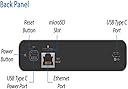
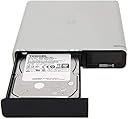
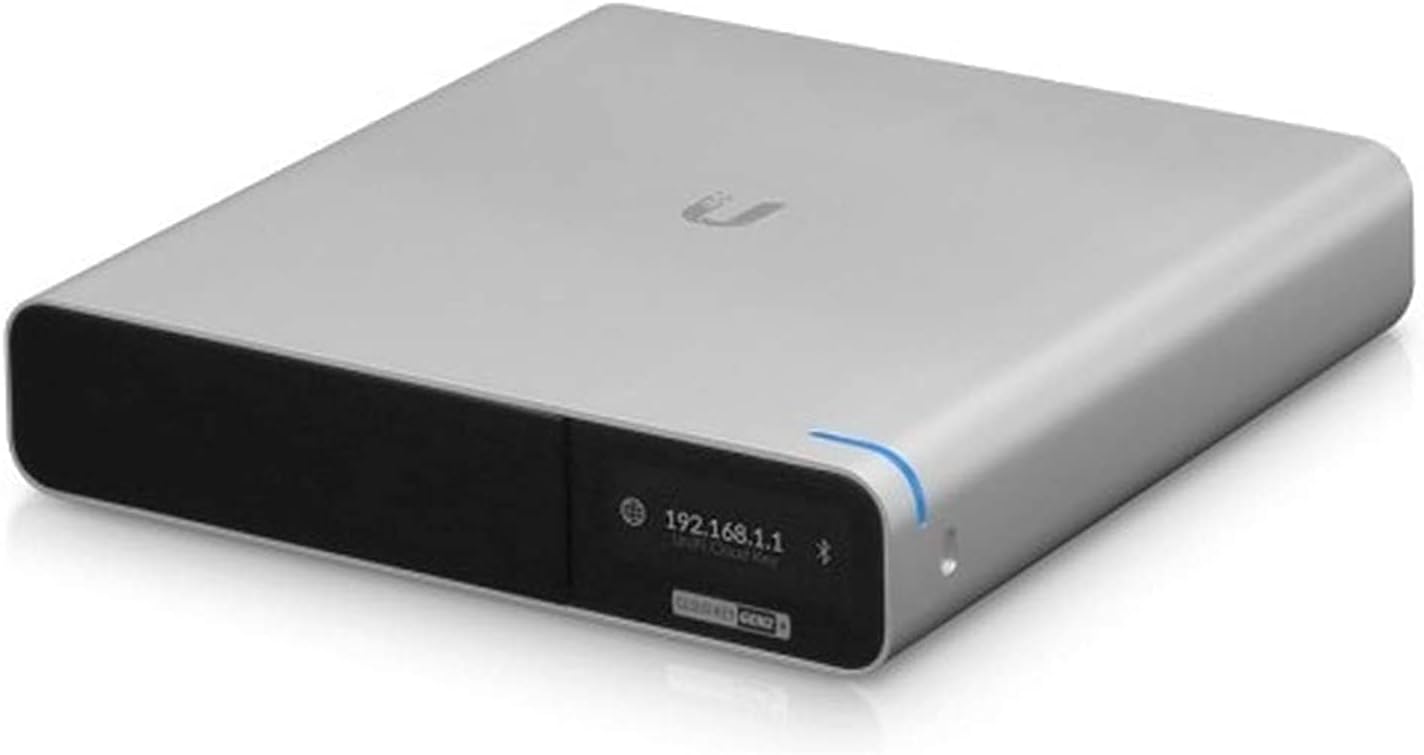
Lange Zeit habe ich zur Überwachung meiner Ubiquiti UniFi Netzwerkkomponenten den UniFi CloudKey der ersten Generation (aber schon mit USB-C) verwendet. Er war eher häßlich und besaß bis auf eine kleine, durch den weißen Kunststoff durchscheinende, Status LED keinerlei Anzeigemöglichkeiten. Ein weiterer, für mich sehr gravierender, Kritikpunkt war das ständige Aufhängen der Software. Ganz besonders zuverlässig hing sich das gesamte System nach dem Unterbrechen der Spannungsversorgung auf. Häufig half dann nur noch der Reset und das Einspielen eines Backups. Das Prozedere integrierte ich bald in meine wöchentliche Todo Liste. Äußerst ermüdend und heutzutage eigentlich völlig überflüssig. Offenbar dachten sich das auch die Ingenieure von Ubiquiti! Mit der 2. Generation ihres UniFi CloudKey und dem hier rezensierten UnFi CloudKey Gen2 plus haben sie wirklich alles besser gemacht was vorher "weniger" gut war. Aber der Reihe nach. Hier mein Bericht nach 4 Monaten Dauertest. Die Hardware: Schon beim Auspacken aus der Apple-Style Verpackung merkt man, dass man etwas gekauft hat was den Anspruch hat zu funktionieren und zu gefallen. Das Alugehäuse wirkt wertig und der verwendete schwarz glänzende Kunststoff nicht ganz so billig. Auch wenn, besonders deutlich in der Frontblende der Schublade für die HDD zu sehen, sogenannten Sink Marks* deutlich im Gegenlicht zu sehen sind, macht das ganze noch einen ordentlichen Eindruck. Aber lassen wir die Kirche mal im Dorf - Es ist eine Netzwerkkomponente kein Kunstwerk. *(Einfallstellen im Kunststoff an Stellen die auf der Rückseite durch dickeres Material verstärkt sind. Sowas passiert beim Spritzen der Teile während der Produktion und ist recht aufwändig zu verbessern) Zum Thema Wärmeentwicklung: Das Gerät ist passiv gekühlt. Das heißt es verfügt über keinen sich drehenden Lüfter, sondern benutzt sein Alugehäuse als Kühlkörper mit dessen Hilfe es die Wärme an die Umgebung abgibt. Also ja, das Gehäuse des CloudKey wird im Betrieb recht warm. Und das ist auch völlig ok. Eine Prozessortemperatur von ca. 50 °C ist normal und auch gut so. Dafür ist das Gerät flüsterleise. Um der Luft ein wenig mehr Angriffsfläche zu bieten habe ich noch vier kleine Gummifüßchen an der Unterseite des CloudKey angebracht. So wird nun auch die Unterseite von Luft umströmt. Neben einer etwas besseren Wärmeabfuhr konnte ich so auch die Vibrationsgeräusche der 1TB Festplatte verringern. - Die Vibrationen sind ohne diese Maßnahme übrigens ausreichend gewesen das Gerät mit der Zeit etwas wandern zu lassen. Der CloudKey stand über Nacht stets leicht verdreht. Ein Aufrüsten der Festplatte ist kein Problem. Bis zu 5TB HDDs im 2,5 Zoll Format sind laut Hersteller möglich. Auch SSDs sollen kein Thema sein und UniFi Protect einen Turbo in Sachen Ansprechverhalten und Zugriffszeiten auf das Videomaterial verleihen. Aber Achtung: Nicht jede Platte läuft im CloudKey. Großartig ist, dass nun ein kleiner Akku in das Gerät integriert wurde der wie eine USV funktioniert. Sobald die Spannungsversorgung (ob über Netzteil am USB-C Port oder über PoE vom Switch) getrennt wird hat der CloudKey noch genug Reserven im Akku um sauber herunterzufahren. Sobald wieder eine Spannungsversorgung hergestellt ist fährt er selbstständig wieder hoch und läuft ganz normal weiter als wäre nichts gewesen. Das hört sich trivial an. Aber jeder der die erste Generation des CloudKey hatte wird diese Neuerung sicherlich genauso feiern wie ich! Denn das bedeutet endlich keine Backups mehr einspielen zu müssen sobald man mal aus Versehen das Netzwerkkabel zieht, oder das Firmware Update vom Switch zu früh gestartet hat. Wow. Abgerundet wird das neue Design von dem nun endlich vorhandenen Display an der Vorderseite des CloudKey. Hier werden einem im Wechsel drei verschiedene Statusanzeigen eingeblendet: Die Netzwerkadresse und der Name des Gerätes, der SDN (Controller) Status und der UniFi Protect Status. Leider hat man zur Zeit keinerlei Möglichkeiten die Anzeige anzupassen oder auszuschalten oder auf den Inhalt Einfluß zu nehmen. Die Software: Kurz, die Software ist genial. Auf dem CloudKey Gen2 plus ist der UniFi SDN Controller und UniFi Protect vorinstalliert. Der UniFi SDN Controller läuft bei mir in Firmeware Version 5.10.26 und ist großartig. Ich verwalte darüber ein recht kleines Heimnetz mit 3 Switches, 1 AP AC Pro und dem USG 3P. Mit der Zeit habe ich fast alle Features die das System so bietet mal ausgetestet und bin jedes mal wieder auf Neue von dem Konzept begeistert die Verwaltung aller Geräte einer eigenen Komponente (--> CloudKey) zu überlassen. Wo man bei anderen Systemen umständlich jede IP von jedem Gerät einzeln aufrufen und die Einstellungen mühsam vornehmen und organisieren muss macht man bei UniFi alles zentral an einer Stelle. Alle anderen Geräte werden im Hintergrund provisioniert und hinterher läuft einfach alles. Mit dem CloudKey (auch schon mit der alten Version) ist es übrigens auch möglich ein Gastportal mit Voucher Funktion einzurichten. Für den Privatgebrauch vielleicht etwas übertrieben, aber bei Partys doch manchmal recht nützlich. :-) UniFi Protect (bei mir Version 1.11.3) ist exklusiv nur auf dem CloudKey Gen2 plus (nicht auf dem ohne "plus") verfügbar. Damit lassen sich bis zu 20 Überwachungskameras der UniFi Serie einbinden und verwalten. Ich nutze zur Zeit drei UniFi G3 flex zur Überwachung meines Grundstücks. Das System ist klasse. Das Einbinden der Kameras war kinderleicht und die Software wird regelmäßig aktualisiert und um Features erweitert. Manche Dinge haben noch einen leichten Beta Beigeschmack, aber aus Erfahrung der letzten 4 Monate bin ich mir sicher, dass sich das bald ändert. Wichtig zu wissen ist, dass sämtliches aufgenommenes Videomaterial lokal auf dem CloudKey gespeichert wird. Nicht wie bei vielen anderen Anbietern wo ein Abo für Cloud Speicher abgeschlossen werden muss. Beim CloudKey bedeutet "Cloud" nur, dass man das System auf Wunsch über die sichere UniFi Cloud von überall auf der Welt erreichen und so auch immer sehen kann was am überwachten Ort los ist. Wenn man das nicht will, muss man das nicht aktivieren. Schließlich bietet das UniFi USG auch einen einfach einzurichtenden VPN Zugang mit dem genau das auch möglich ist. Ganz ohne Cloud und fremde Server. Der Speicherplatz der werksseitig verbauten 1TB HDD von Toshiba reicht übrigens bei Einbindung von drei Kameras für die Aufzeichnung von ca. zwei Wochen Videomaterial in voller 1080p Auflösung bei 25fps und einer Bitrate von 6000Kbps. Wer mehr Aufzeichnen will hat die Möglichkeit eine bis zu 5TB große 2,5 Zoll Platte nachzurüsten. In den Mikro SD Karten Slot oberhalb des LAN Ports habe ich noch eine 32GB SD Karte eingesetzt. Auf ihr werden alle Backups gespeichert sowie der Endgeräte-Datenverlauf. Das System ist bei mir in keinster Weise ausgelastet. Der 2.0 GHz Achtkern Prozessor wird bei mir stets nur zu unter 10% gebraucht und die 3GB Arbeitsspeicher nur zu 50%. Ein gutes Gefühl Reserven zu haben. Was mir nicht gefällt: 1. Der Preis. Er ist verdammt hoch für etwas das ohne noch weitere Komponenten des Systems zu besitzen zu nichts zu gebrauchen ist. Das reißt ein heftiges Loch in die Argumentationskette mit der/ dem Liebsten. 2. Die Backup Strategie von UniFi Protect. Der Austausch einer defekten Kamera hat mich mal ein paar Stunden gekostet da die Backup Strategie für mich nicht schlüssig war. Das Ende vom Lied war, dass ich jede einzelne Kamera mit der "Leitermethode" vor Ort resetten musste um sie neu an das System anzulernen. Ich hoffe auf ein Update was dieses Problem adressiert. Fazit: Klare Kaufempfehlung für jeden der Spaß an funktionierender Technik hat. Für die Privatperson vielleicht etwas übertrieben... aber eigentlich auch nicht. :-)
S**T
Very easy setup, made creating a WiFi network a breeze. Adding/adopting access points fast and simple. Easy to understand iOS app and web based portal.
G**S
Works great and a great product for homes and smal businesses.
D**.
el mejor controlador wifi, un software potente, el equipo esta realizado con material de calidad y convina con cualquier mueble.
F**A
Super satisfeita
Trustpilot
2 weeks ago
2 months ago