Some deliveries may take a little longer than usual due to regional shipping conditions.

DOWNLOAD THE APP


Customer Services
Copyright © 2025 Desertcart Holdings Limited
DOWNLOAD THE APP
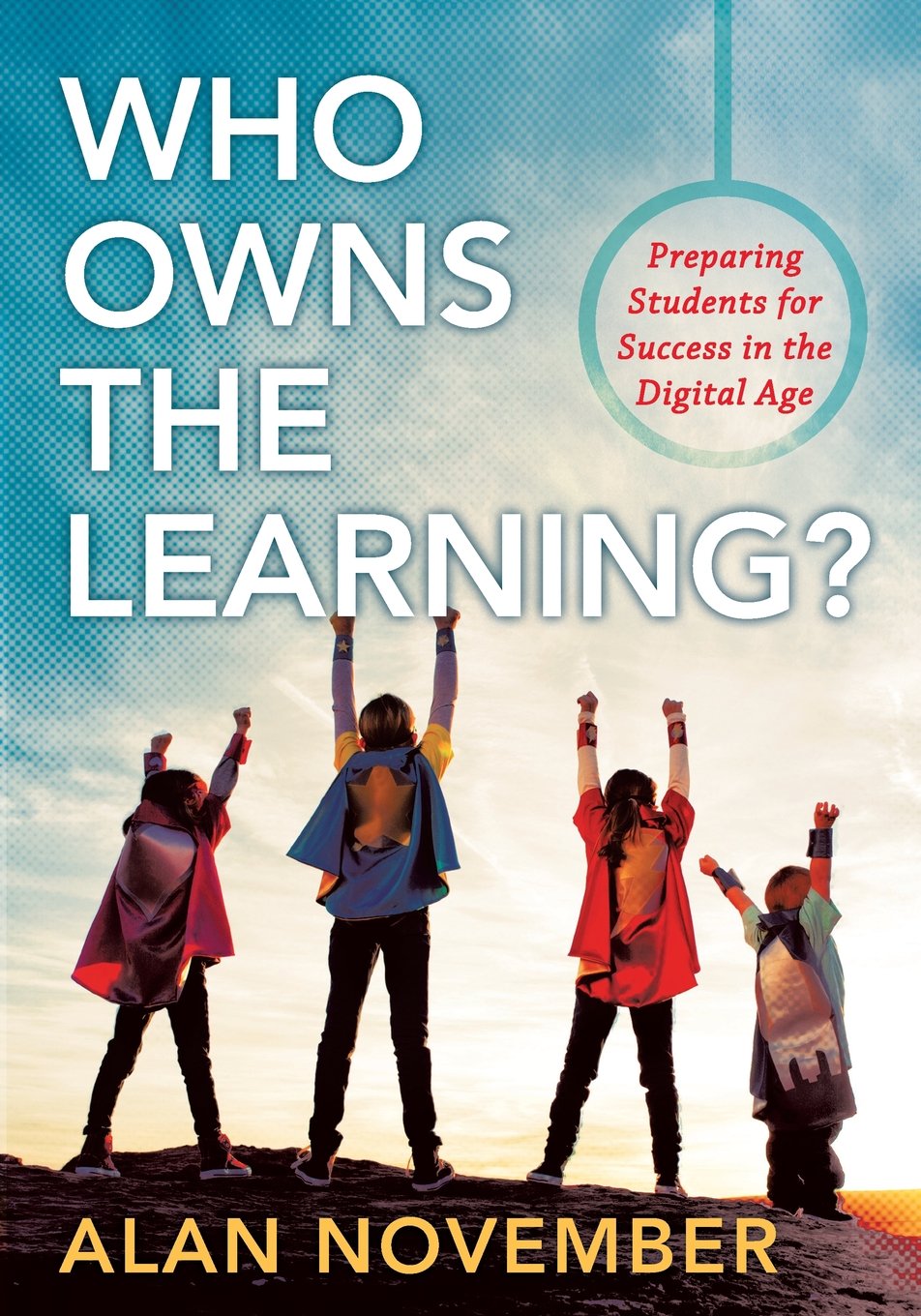
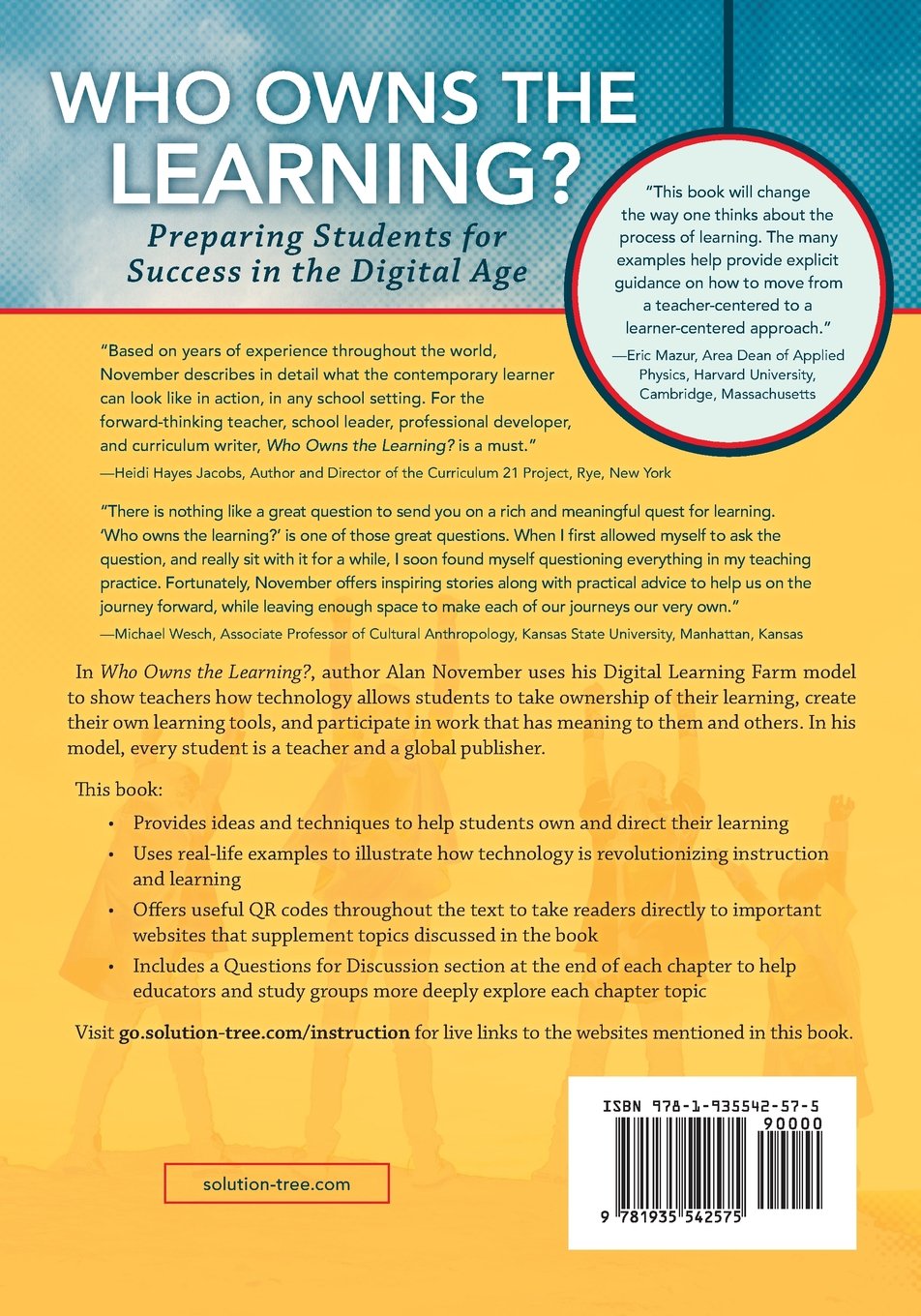
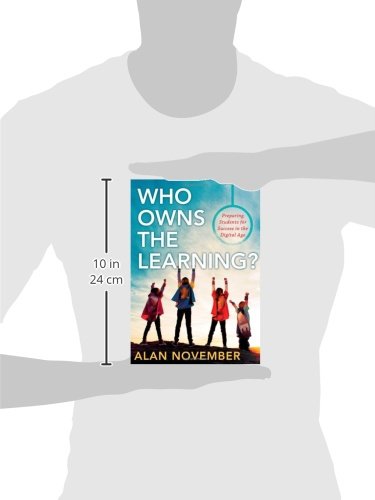
Who Owns the Learning?: Preparing Students for Success in the Digital Age (Incorporate Technology and Opportunities Into Instruction) (Essentials for Principals)
D**.
Who Owns The Learning? The Students Do!
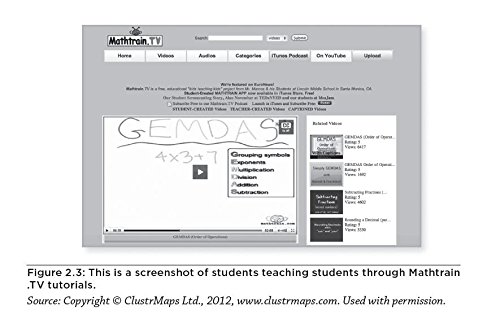
The book I read 'Who Owns The Learning' by Alan November is about how students can take charge of their own learning by utilizing all aspects of the power of the computer.They learn how to make a classroom blog, subject tutorials (lessons) that they produce like Kahn Academy, and post them online for their school, community and world to see. They also take turns taking notes for the class and posting them on their class website, they learn to do proper research which they then could legitimately cite for research papers and communicate and collaborate with other students from around the world. The students do so on their own, they are completely self-motivated, don't receive any grades for this and all this could be tailored to happen with students on any grade level. This is what 'Who Owns The Learning is about. Thank you very much.
P**O
This book opened my eyes and mind
The media could not be loaded. This book opened my eyes and mind. With the same vivacious spirit he brings to his TEDx talks, Alan November shows us how and why there is a better way to educate students. When students learn through meaningful, authentic activities their motivation for learning rises dramatically. In that situation, they can far exceed anyone's expectations -- including their own. This book should be read by all teachers, principals, superintendents -- and most of all -- legislators.
N**N
Useful within limits
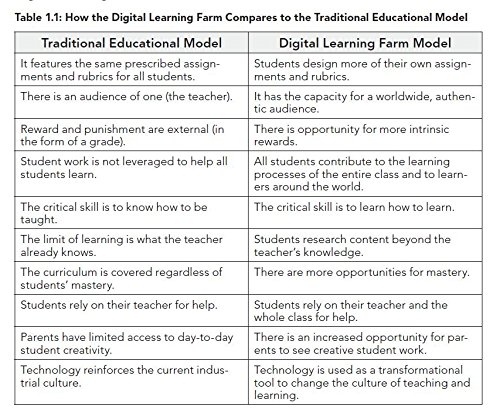
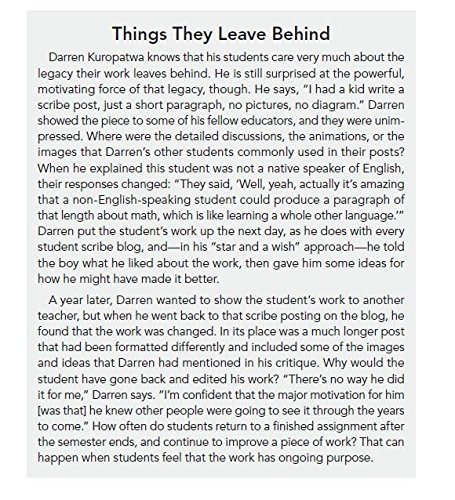
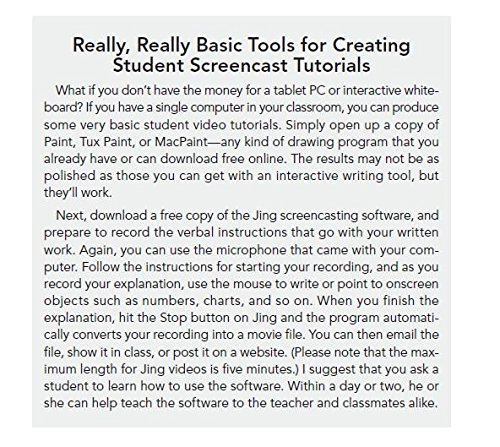
This is a quick, enjoyable, and inspiring read for any educator. Alan November's writing is energetic and convincing. November starts by making his case for creating classroom experiences that put students in the driver's seat and take advantage of internet technology resources to facilitate authentic student learning. His case for shifting to such student-centered, student-driven learning is convincing. He illustrates his principles by describing four example techniques in some detail, using case studies. Each strategy/approach is illustrated by describing a specific teacher's approach in a real classroom at a real school. For teachers who are hesitant or skeptical about these techniques, this can be reassuring. Each example is accompanied by links to the teacher's resources, examples of student work, and/or other materials that supplement the book's fairly brief descriptions.November wraps up the book describing a "Digital Learning Farm" that seeks to pull together all four strategies in one, grand, master approach. The final chapter describes another real-life example of two teachers partnering to forge, over a number of years, a new approach to their middle school history courses. This is probably the weakest part of the book. November's description, as a capstone example, is overly sketchy and does not really connect all the dots. I suspect that this is more reflective of the book than the work of the teachers. I found myself wanting more, and not in a good way. That said, November again provides links (via QR codes at urls) that allow the reader to explore these teachers' (and students') actual work in greater detail.Each of the four strategies is accompanied by information to get a teacher started. For example, the section "The Student as Global Communicator and Collaborator" ends with a few pages on how to get started with Skype. While this might be helpful to some, the book might have been more helpful if it used this space instead to illustrate additional examples for different subjects or grade levels. There are lots of resources out there for getting started with Skype, and perhaps the book could have just steered the reader towards these. The examples seemed to emphasize middle-school-level teaching, and this might not translate for some - that would be a shame, because November's strategies can enrich the learning experience for a wide range of ages/grades.Criticisms aside, the book is effective in outlining ways that teachers can bring more student ownership and engagement into their classrooms. As one other reviewer commented, the book is ultimately more about how we teach than it is about any specific strategy or project. November outlines practical, approachable ways to shift away from "sage on the stage" to "guide on the side" teaching, incorporate technology as an authentic learning tool, and help students take ownership of their own learning.
L**L
Inspiring, innovative, and practical!
Alan November has the amazing ability to convey very big ideas in very practical ways. This book has stretched my thinking and continues to guide my ideas for designing learner-centered experiences. All educators should read this book. I give it my highest recommendation!
F**L
A must read for educators
This book is transformative in teaching teachers how to build capacity for student learning. It is a practical guide that requires a shift in pedagogical practice. In the end, if the ideas from this book are put to the test in classrooms I believe you will see engagement and empowerment among student learners reach levels that are unprecedented. I highly recommend this book!
J**N
Using this as a textbook for one of the courses ...
Using this as a textbook for one of the courses that I am teaching this semester on Digital Learning.So far the students in the class are enjoying the information and successes shared by the author. I look forward to the ideas that my students are able to create by following the examples described in this book.
M**A
Practical Guide to Engagement and Purpose
After being inspired by Alan November, who was delivering the keynote address at a conference I attended, I roared through this brief book. On one hand, November implores us to achieve more with our students and our technological possibilities. More importantly, he provides very specific approaches - complete with links to appropriate software and sites - so that teachers can make positive changes very quickly.I would highly recommend this practical guide to all teachers.
J**
Staff room coffee table read
This book covers a wide range of interesting ideas, and is a bit of a recipe collection of 'how to' put the ingredients together for digital age learning. Reads nicely, but is ridiculously light on referencing. Could be snake oil - luckily it's not. Obviously all the ideas are not his own. Good quality PD books require a scholarly backbone - otherwise 'your fiction is as good as as mine'.
Trustpilot
1 day ago
1 week ago